
Meet our Great North Runner Andrea
With only two weeks to go until the Great North Run, we caught up with one of our runners Andrea to see…
Death is something we all know will come, yet most of us avoid talking about it for as long as possible. When it comes to children, that silence can feel even heavier – as if saying the words out loud might somehow make the unthinkable more real.
But what if avoiding the conversation is actually what makes things harder?
Dr Michelle Hills, Chief Medical Officer at Martin House Children’s Hospice and author of upcoming book ‘The Wrong Order of Things’, says the most common misconception is that people think talking about death means giving up.
She believes open conversations about death are essential to ensuring children and families receive the care they need.
In line with Dying Matters Awareness Week (4-10th May), which encourages people to talk about death, Dr Michelle has shared what she wishes more people understood about dying and supporting families.
“Talking about death and dying is not giving up. We are not there to take away hope or faith.
“We will still treat correctable problems. We will actively manage symptoms. When families choose not to pursue certain treatments, they are not refusing care – they are choosing a different kind of care, focused on comfort and quality of life.”
Dr Michelle says many people find it difficult to talk about the possibility of a child dying, but avoiding the conversation can leave families without the support they need.
“If we don’t acknowledge that children can become seriously ill, how can we ensure they get the end-of-life care they deserve?”
Honest conversations allow families and professionals to prepare for what might happen.
“We need to work together to write advance care plans, thinking ahead for a future when a child deteriorates. That way, when a child becomes more unwell, everyone understands the plan.”
Dr Michelle explains that in palliative care, the focus moves away from clinical measurements and towards comfort.
“Instead of focusing on heart rate or blood pressure, we look at the child. Are they comfortable? Are they calm? Do they need help with pain or distress?”
“Palliative and hospice care is about living before you die. It is about high-quality care focused on quality of life.
“It is about a allowing a child to be a child – to play, experience music and art, and spend time with their loved ones. It is about medicine that makes you feel better, and making awful times, less awful. It is about allowing a peaceful natural death, then supporting people in their bereavements.”
Dr Michelle says clearer language can help people better understand what is happening.
“I wish people felt more comfortable using the words ‘dying’ and ‘died’. Phrases like ‘passed’ or ‘gone to sleep’ can be confusing and misunderstood, particularly by children or people whose first language isn’t English.”
“I wish that people felt more comfortable talking about children who have died, listening to stories about loved ones, and using their names.
“Parents remember their children every day, but too often people change the subject or avoid talking about them because it feels so difficult. I want people to know that it’s ok to cry, and it’s ok for our children to see us cry.”
If we can start to talk more openly, even when it feels uncomfortable, we can begin to change not just how people die, but how they live in the time they have left.
And perhaps that’s the real point: these conversations aren’t about giving up. They’re about making sure no one faces the hardest moments of life without honesty, support, and care.

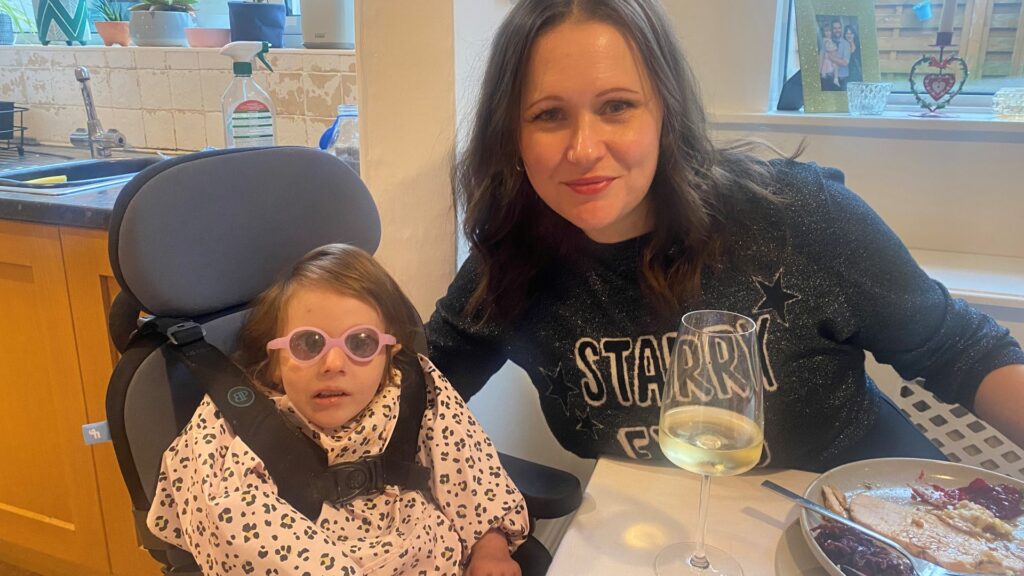
With only two weeks to go until the Great North Run, we caught up with one of our runners Andrea to see…
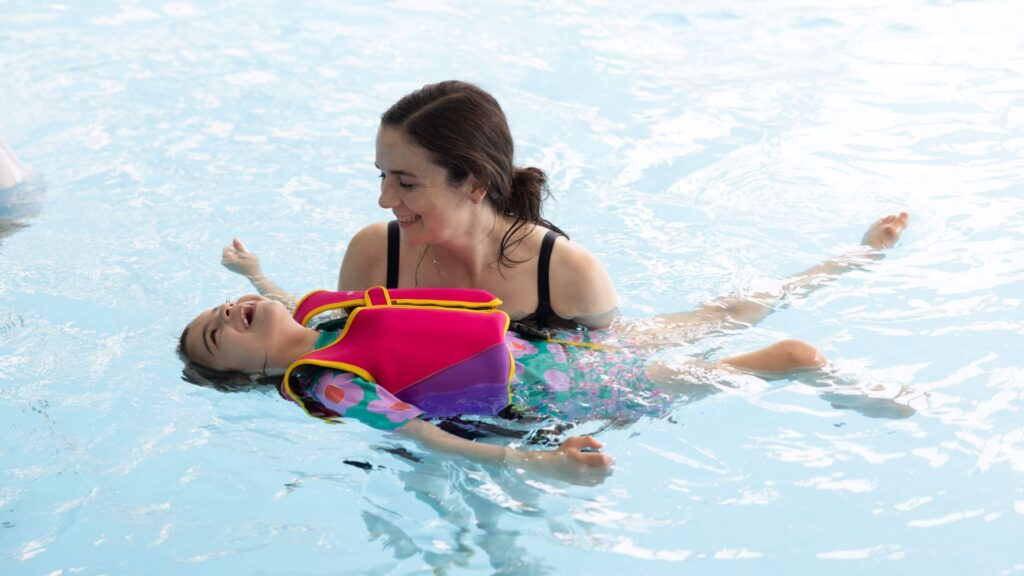
When we were first planning to modernise Martin House, we asked families what their top priorities were. Universally, the top answer we…
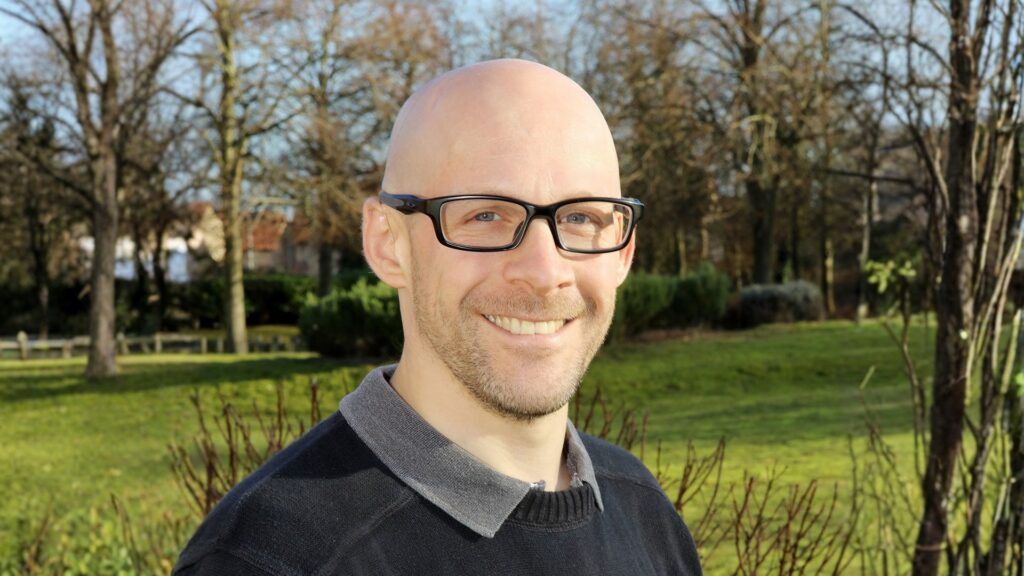
Difficult conversations are part of healthcare, but that does not make them easy. Healthcare professionals may leave a conversation feeling sad, uncomfortable…